
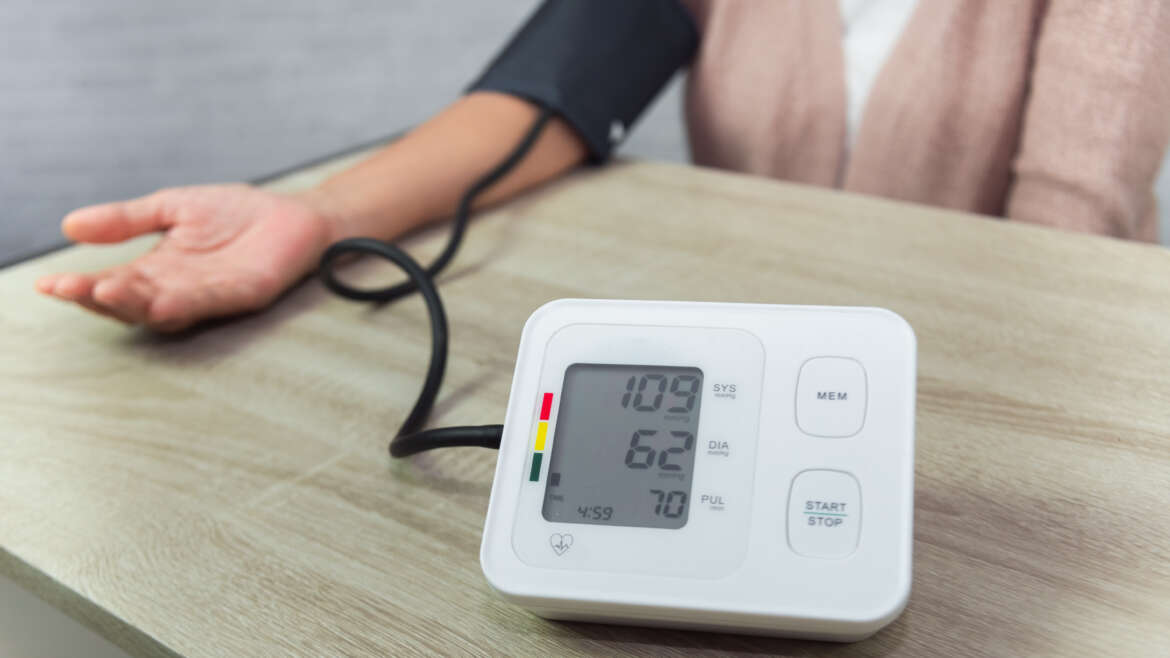
Blood pressure is an important indicator of a person's cardiovascular and general health. Accurate measurement and regular monitoring of blood pressure are essential to prevent serious complications and maintain optimal well-being. In this article, we will explore the importance of measuring and monitoring blood pressure, as well as provide practical tips for managing your cardiovascular health.
1. Measuring Blood Pressure: The Key to Accurate Assessment
Manual Blood Pressure Measurement
Manual blood pressure measurement is performed using a sphygmomanometer and a stethoscope. This method requires some skill and practice to obtain accurate results. It is commonly performed by health professionals, such as nurses and doctors.
Automatic Blood Pressure Measurement
Electronic devices for automatic blood pressure measurement have become increasingly popular and are easy to use. They can be used at home to regularly monitor one's blood pressure in a simple and convenient way.
2. The Importance of Blood Pressure Control
Prevention of Cardiovascular Diseases
Regular control of blood pressure is essential to prevent cardiovascular diseases such as hypertension (high blood pressure). Hypertension is a significant risk factor for stroke, heart attack and other serious complications.
Early Detection of Health Problems
Regular measurement of blood pressure allows early detection of abnormal rises, enabling preventive action and early diagnosis of health problems.
3. Tips for Accurate Blood Pressure Measurement
Choosing the Right Moment
Measuring blood pressure at rest is the best time to obtain accurate results. Make sure you have not had coffee or smoked at least 30 minutes before the measurement.
Sitting Comfortably
Sit comfortably and relaxed, with your feet flat on the floor and your back against the chair. Keep your arm on the same line as your heart during the measurement.
Rest Before Measuring
Avoid intense physical activity or stressful situations at least 30 minutes before the measurement. Stress and activity can temporarily influence blood pressure.
Measuring Both Arms
Measure the pressure on both arms, as there may be a difference between the two. If significant differences are found, consult a doctor.
4. Blood Pressure Control: The Importance of Lifestyle
Balanced Nutrition
A balanced diet, rich in fruit, vegetables, whole grains and lean protein, is essential to keep blood pressure under control.
Regular Physical Activity
Regular exercise helps keep the heart and blood vessels healthy and helps maintain blood pressure at optimal levels.
Reducing Salt Consumption
Limiting salt intake can help reduce fluid retention and keep blood pressure stable.
5. Conclusions
Regular measurement and control of blood pressure is essential to preserve cardiovascular health and prevent serious complications. By using accurate measurement methods and following a healthy lifestyle, we can take care of our heart and blood vessels, maintaining stable blood pressure and optimal long-term health.
 English (UK)
  Italiano
  Deutsch
  Français
  Español
  Svenska
  Norsk bokmål