
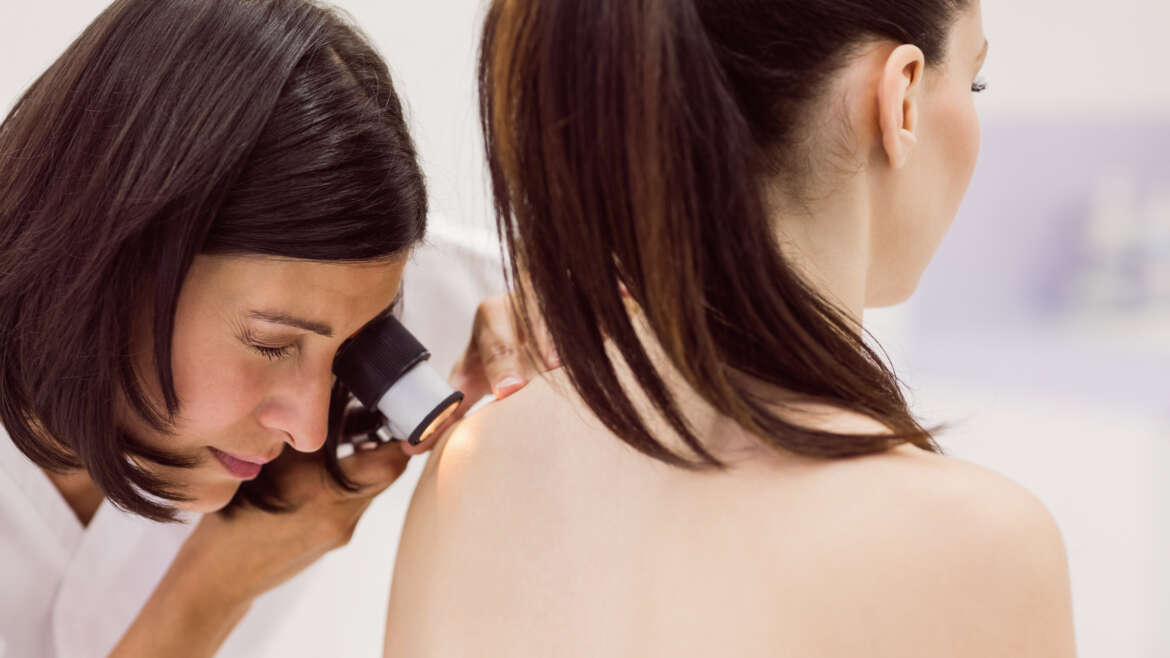
Skin and Hair Prevention: The Importance of Dermoscopy
1. Introduction
Prevention of skin and hair health is a key aspect of general well-being. An essential tool for early diagnosis of skin diseases is the dermatoscope, a device that allows a magnified view of skin tissue. In this article we will explore the importance of the dermatoscope in prevention, detecting early signs of skin and hair changes.
2. What is a dermatoscope?
The dermatoscope is a medical instrument used by dermatologists to examine the skin and hair in detail. It consists of a magnifying glass and a light source, allowing a clear and detailed view of skin structures. The dermatoscope can be used both on existing skin lesions and on apparently normal areas of skin.
3. The importance of prevention
Prevention is a crucial aspect of skin and hair health. Early detection of any signs of skin changes can enable early treatment and improve the prospects for recovery. The dermatoscope plays a key role in this process, allowing doctors to carefully analyse the skin and identify any suspicious changes.
4. Using the dermatoscope
The dermatoscope is used by dermatologists for several purposes, including:
4.1. Early detection of skin cancer
The dermatoscope allows a magnified view of the skin, facilitating early detection of skin tumours such as melanoma. Detailed evaluation of skin lesion characteristics, such as shape, colour and margins, can help identify any signs of malignancy.
4.2. Monitoring skin lesions
The dermatoscope allows doctors to monitor the evolution of skin lesions over time. By regularly observing the characteristics of the lesions, such as change in shape or colour, it is possible to detect any signs of progression of the pathology and intervene in good time.
4.3. Evaluation of scalp disorders
The dermatoscope is a valuable tool in the evaluation of scalp disorders such as seborrhoeic dermatitis or alopecia. By allowing a detailed view of the scalp, it can facilitate the diagnosis and monitoring of these disorders.
5. Advantages of the dermatoscope
The use of the dermatoscope has many advantages, including:
5.1. Early Diagnosis
Thanks to its magnification and illumination capabilities, the dermatoscope enables early diagnosis of skin changes. This means that pathologies can be detected at an early stage, when treatment options are more effective and healing prospects better.
5.2. Reducing invasive biopsies
The use of the dermatoscope can reduce the need for invasive biopsies. Accurate examination of skin lesions using dermoscopy can provide sufficient information to establish a preliminary diagnosis, reducing the need for more invasive procedures.
5.3. Non-invasive monitoring
The dermatoscope allows non-invasive monitoring of skin lesions over time. This means that patients can be checked regularly without the need for painful or invasive procedures.
Conclusions
Prevention of skin and hair health is crucial for general well-being. The dermatoscope plays an essential role in the early diagnosis of skin changes, enabling doctors to detect early signs of skin tumours or other dermatological disorders. The use of the dermatoscope offers numerous advantages, including early diagnosis, reduction of invasive biopsies and non-invasive monitoring of skin lesions over time.
Frequently asked questions (FAQs)
- Is the dermatoscope painful?
- Who can use a dermatoscope?
- What are the main skin conditions that can be identified with the dermatoscope?
- What happens if a suspicious lesion is identified with the dermatoscope?
- Can the dermatoscope also be used for hair diseases?
 English (UK)
  Italiano
  Deutsch
  Français
  Español
  Svenska
  Norsk bokmål